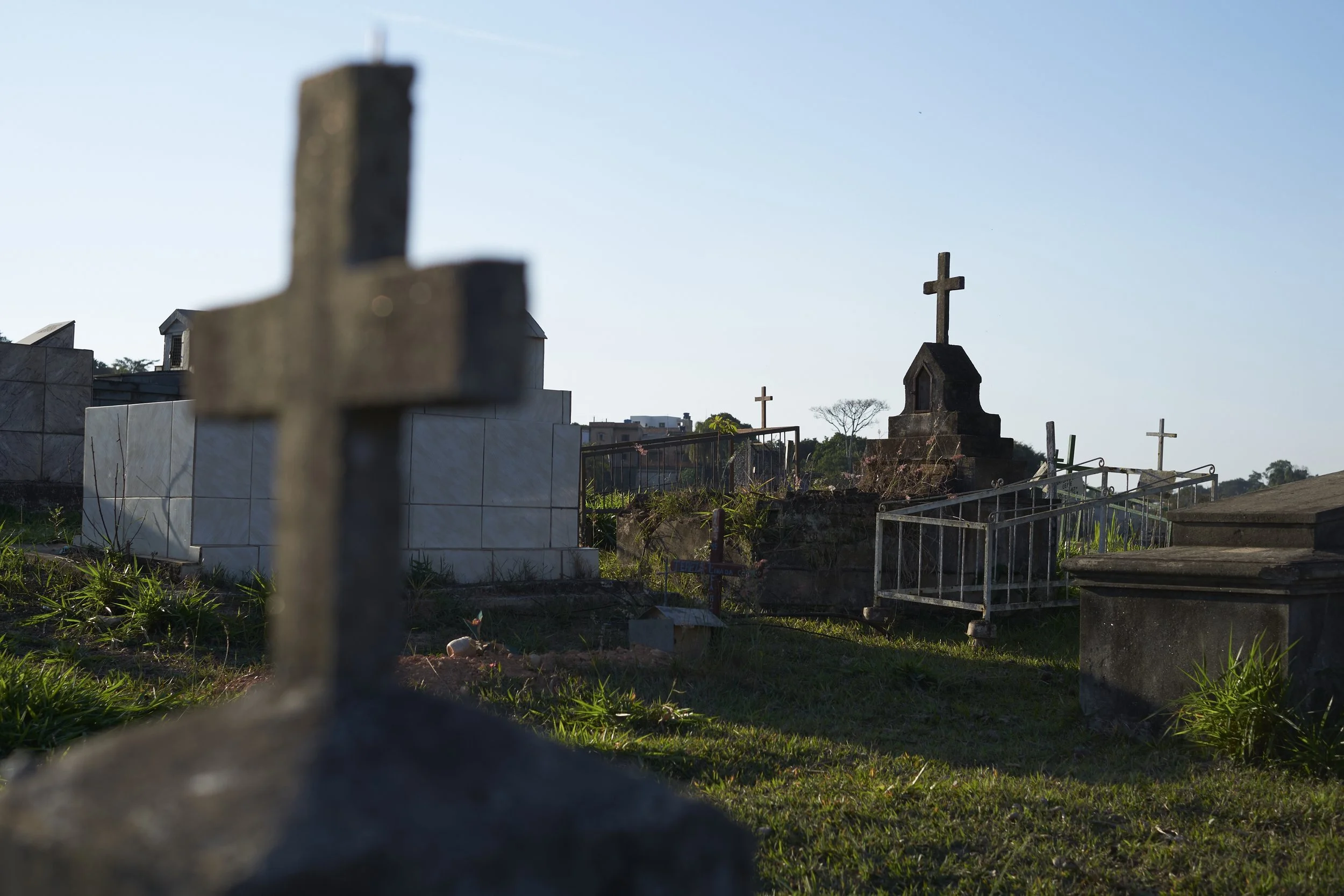
A burial place for many who fell victim to both disease and isolation. Colonia Santa Isabel, Belo Horizonte, Brazil, 2016.
Ending Leprosy in Brazil
For more than half a century, Brazil has carried a hidden and complex legacy of Hansen’s disease, known globally as leprosy. Although modern treatment has made the illness fully curable, its history continues to shape the lives of those once isolated from society, as well as the institutions that still care for them today.
This project traces Brazil’s ongoing efforts to eliminate leprosy, moving between past and present. It examines how a disease that is medically close to eradication remains intertwined with social memory, public policy, and the lives of people shaped not only by illness, but by fear-driven systems of exclusion.
The project attempt to speak for the people photographed, but to bear witness to the space between what leprosy once meant and what it means now: a disease nearly, but not yet, defeated, and still inseparable from the human stories it has left behind.
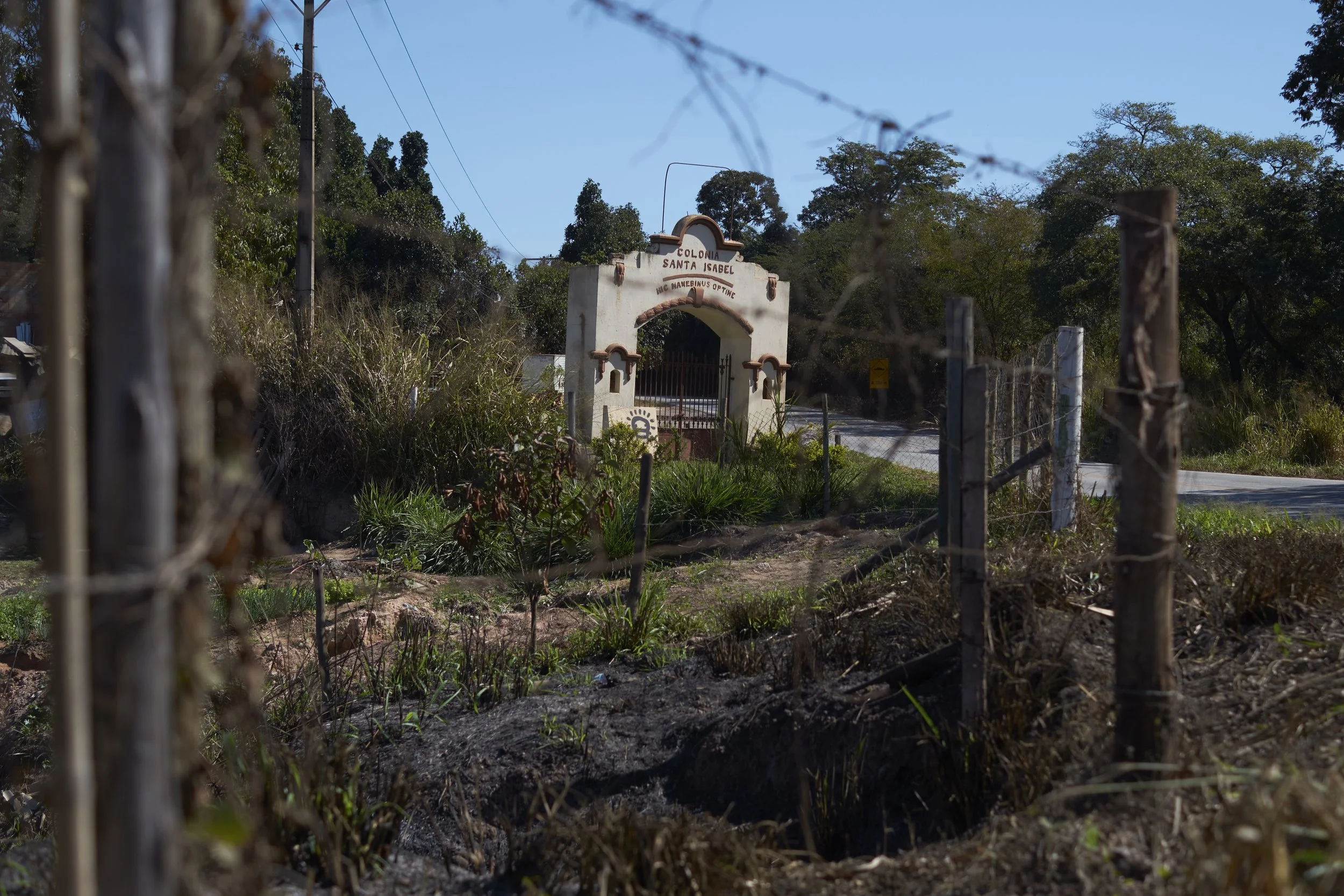
Entrance to Colonia Santa Isabel, Belo Horizonte, Brazil, 2016.
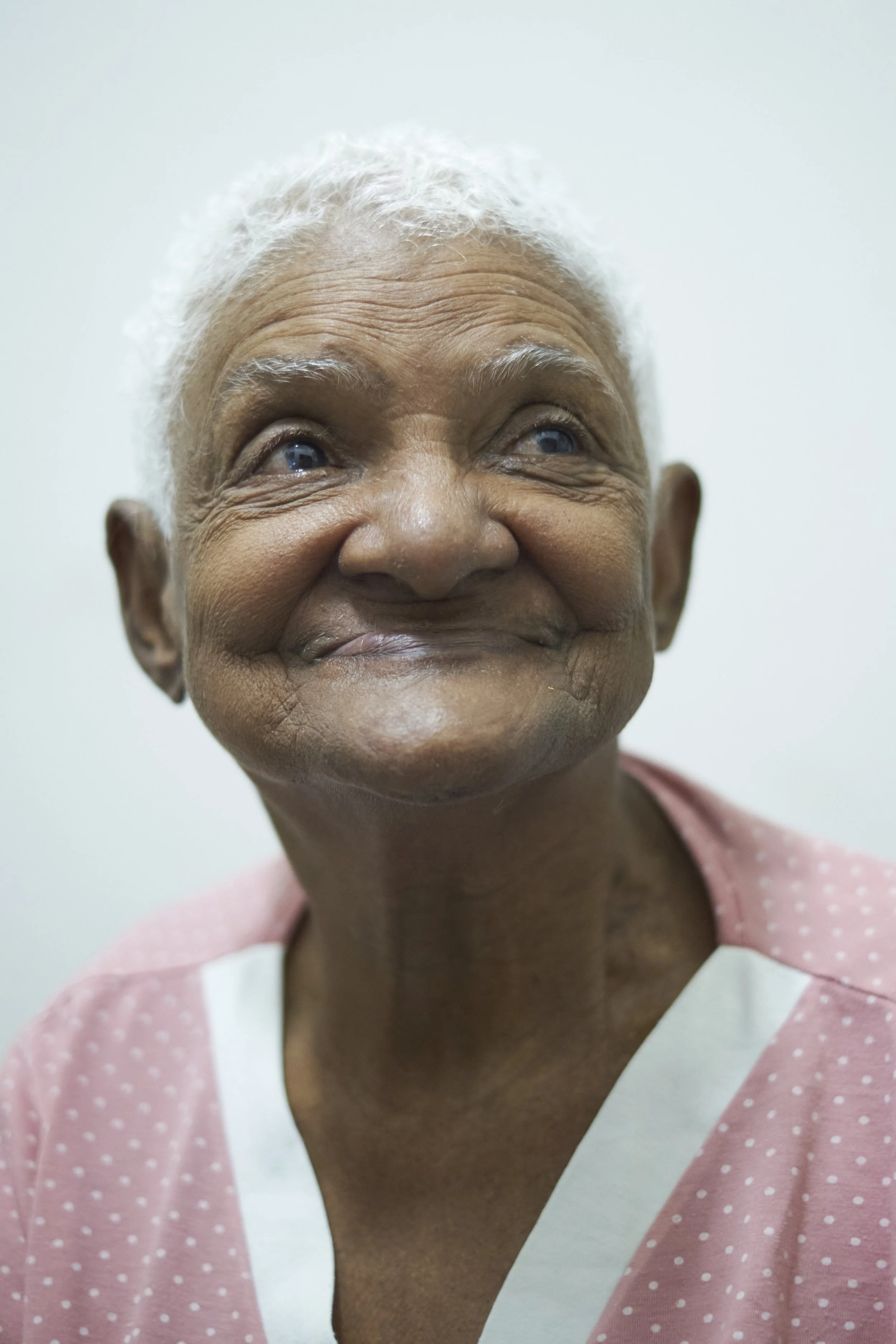
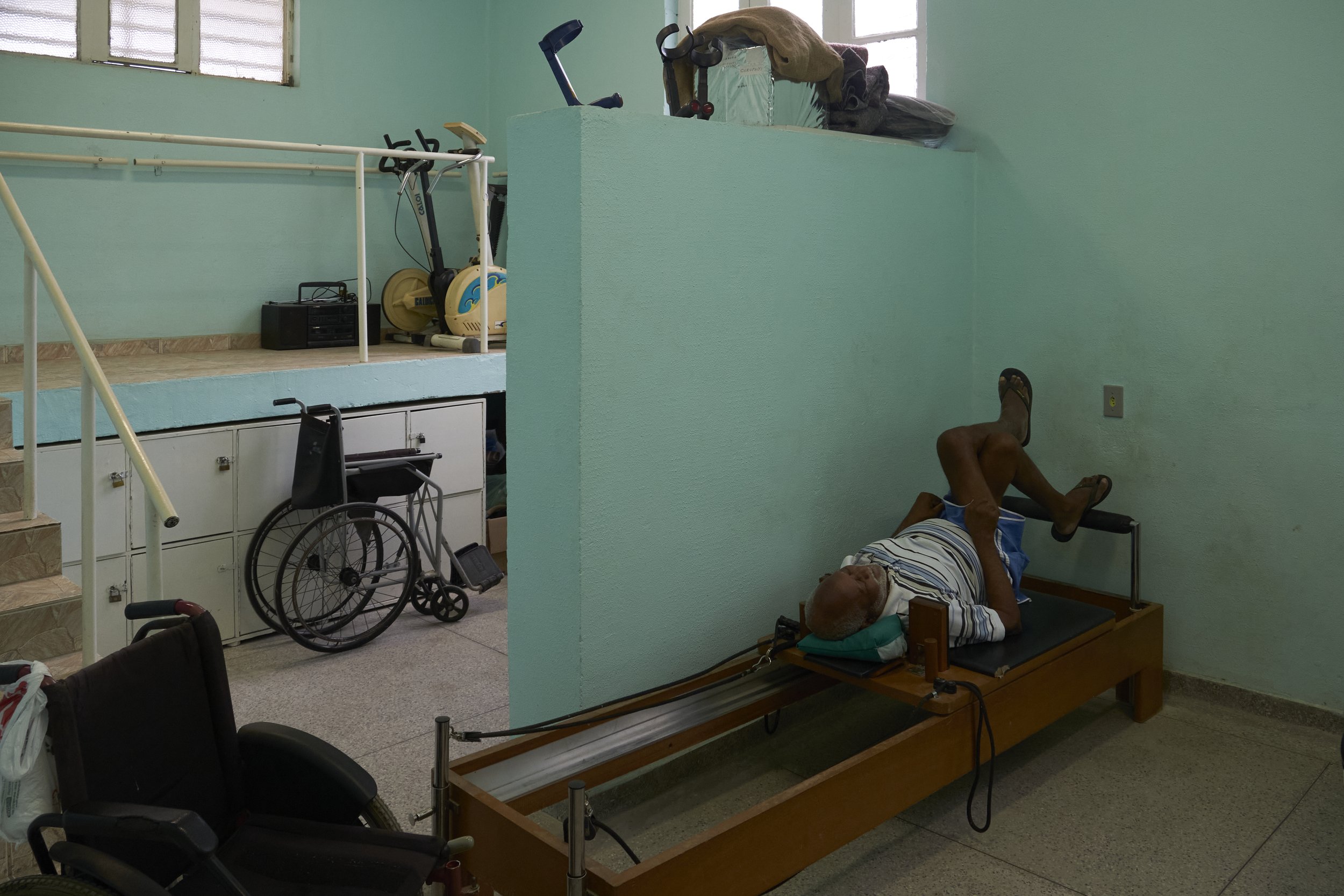
Colonia Santa Isabel, Belo Horizonte, Brazil, 2016.
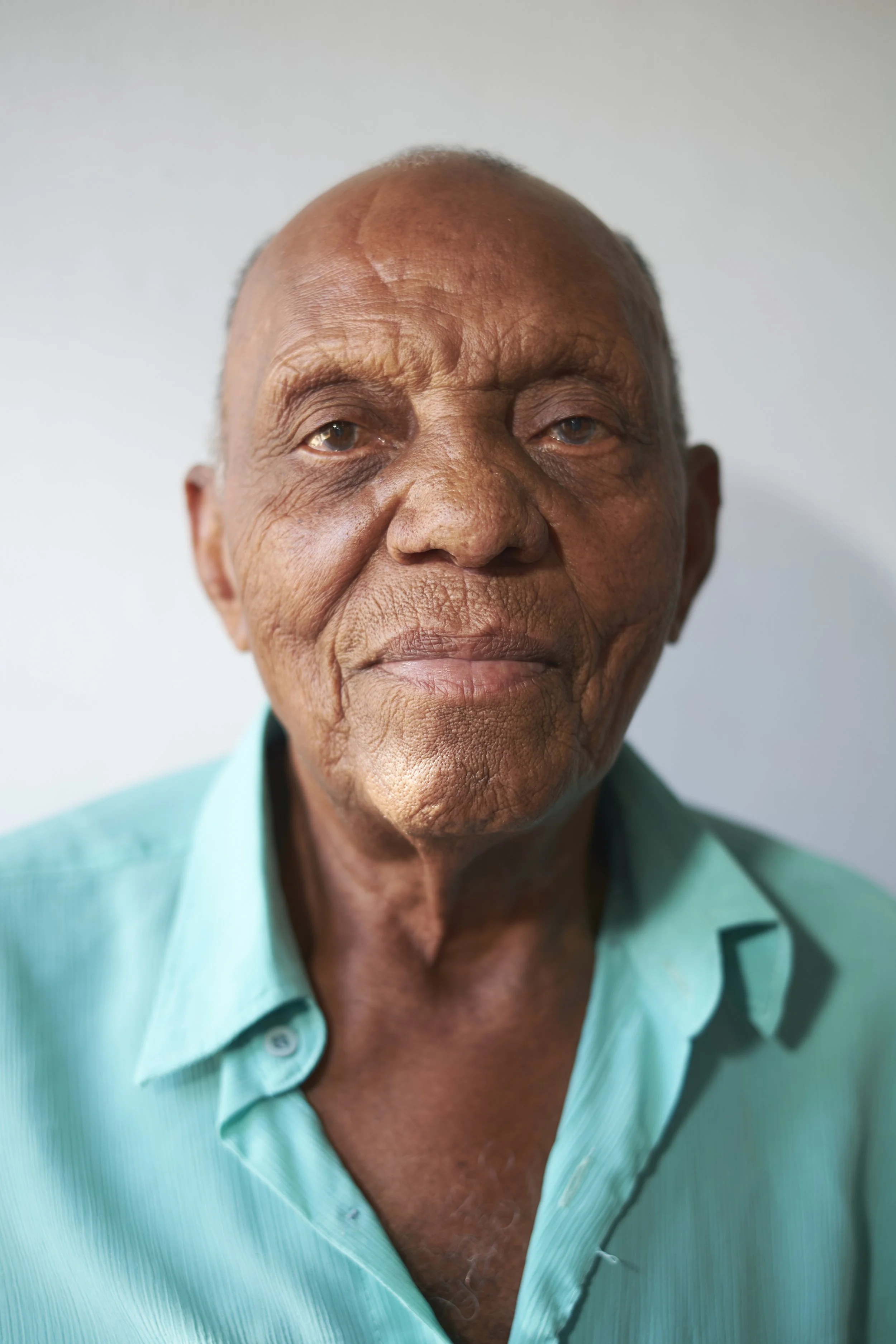
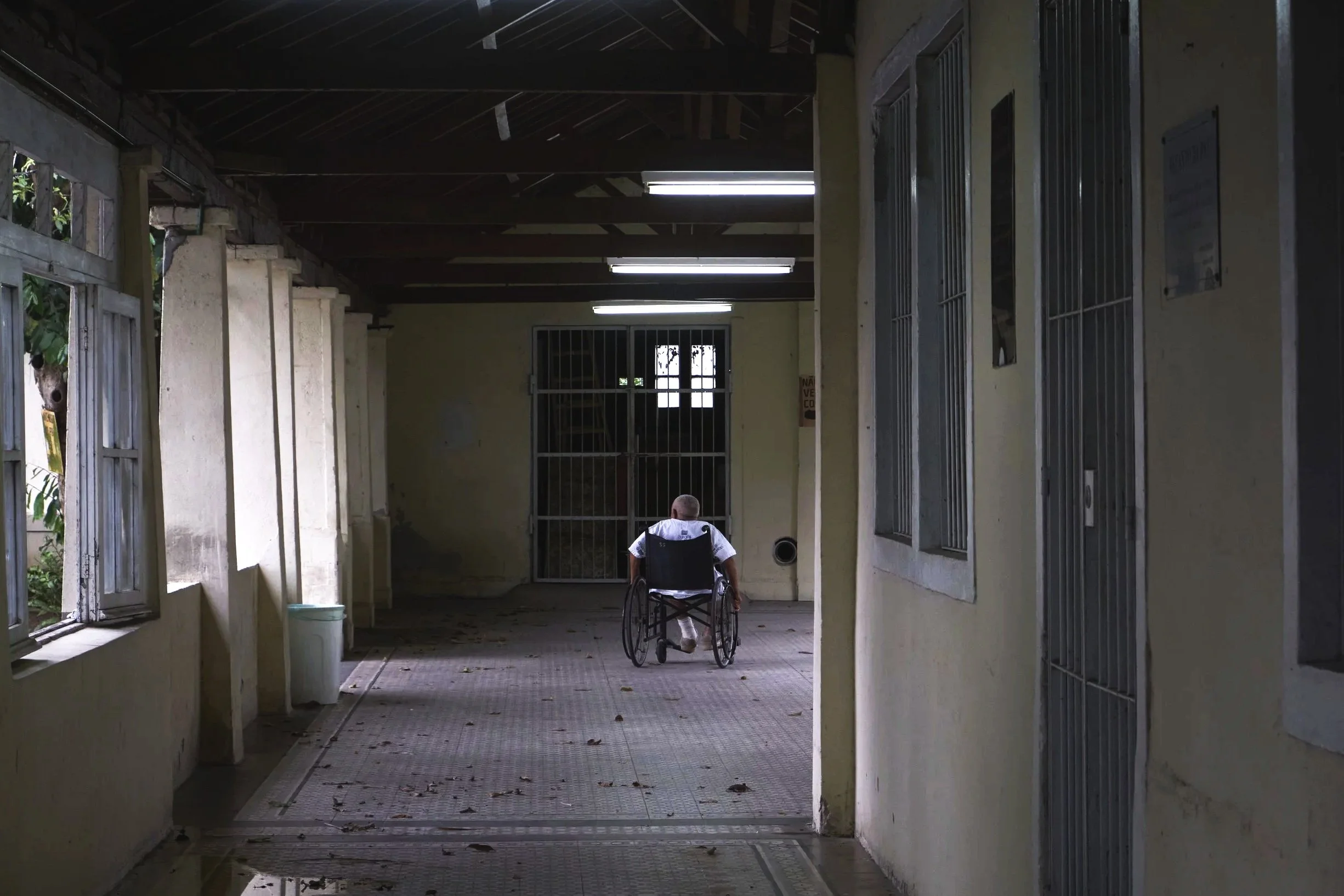
Joel, one of the residents of the hospital busies himself by wheeling around the hosptial corridors. Colonia Santa Isabel, Belo Horizonte, Brazil, 2016.
Opened in the 1920s, Colonia Santa Isabel was one of thirty-three leprosy colonies established across Brazil under a nationwide public health policy. People suspected of carrying the disease were removed from towns and villages and forcibly confined, a practice justified at the time as necessary for public safety. In reality, the policy separated families, erased identities, and entrenched long-lasting stigma.
Although compulsory isolation ended decades ago, many former patients continue to live at Santa Isabel. With no family support, limited financial means, and often living with complex disabilities caused by the disease, the colony remains their only viable home. For some residents, this has been the case since childhood. Daily life is slow and largely unstructured, with limited mobility and few activities available beyond the hospital’s corridors and communal spaces.
The colony receives support from MORHAN (the Movement for the Reintegration of People Affected by Leprosy), an organization that provides assistance and advocates for residents’ rights. Despite chronic underfunding and basic facilities, essential healthcare and ongoing medical support remain available.
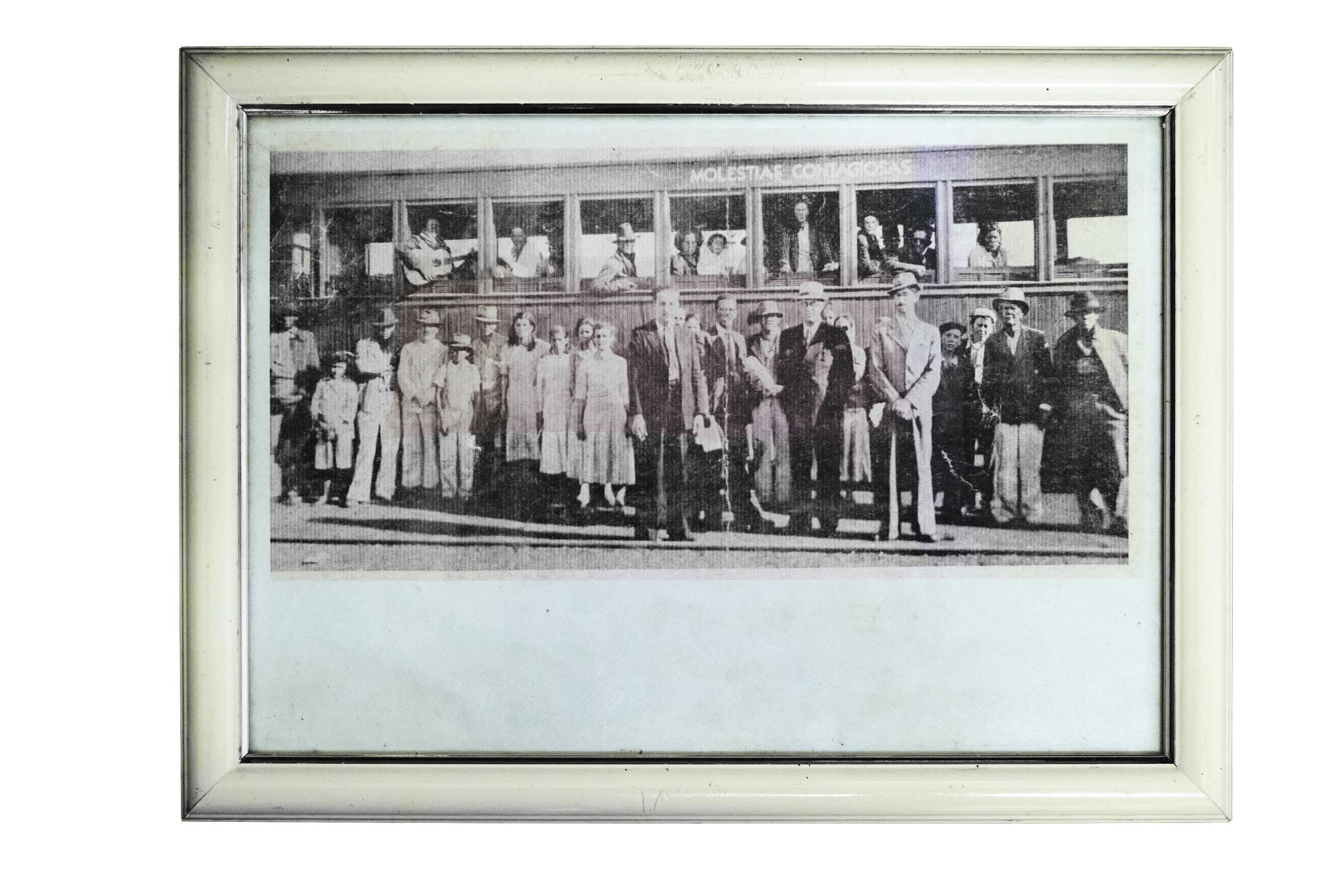
People stand beside the carriage they have arrived in, labelled ‘molestias contagiosas’ (contagious diseases). Betim, circa 1930.
Alongside this legacy, Brazil’s contemporary health system confronts a very different challenge: early detection, community-based treatment, surgical intervention, and the training of medical workers who encounter the disease today. In clinics and research centers, doctors examine patients, administer tests, and develop strategies aimed at ending transmission nationwide. Their work is scientific and methodical, but also deeply human, driven by a commitment to ensure that what happened to previous generations is never repeated.
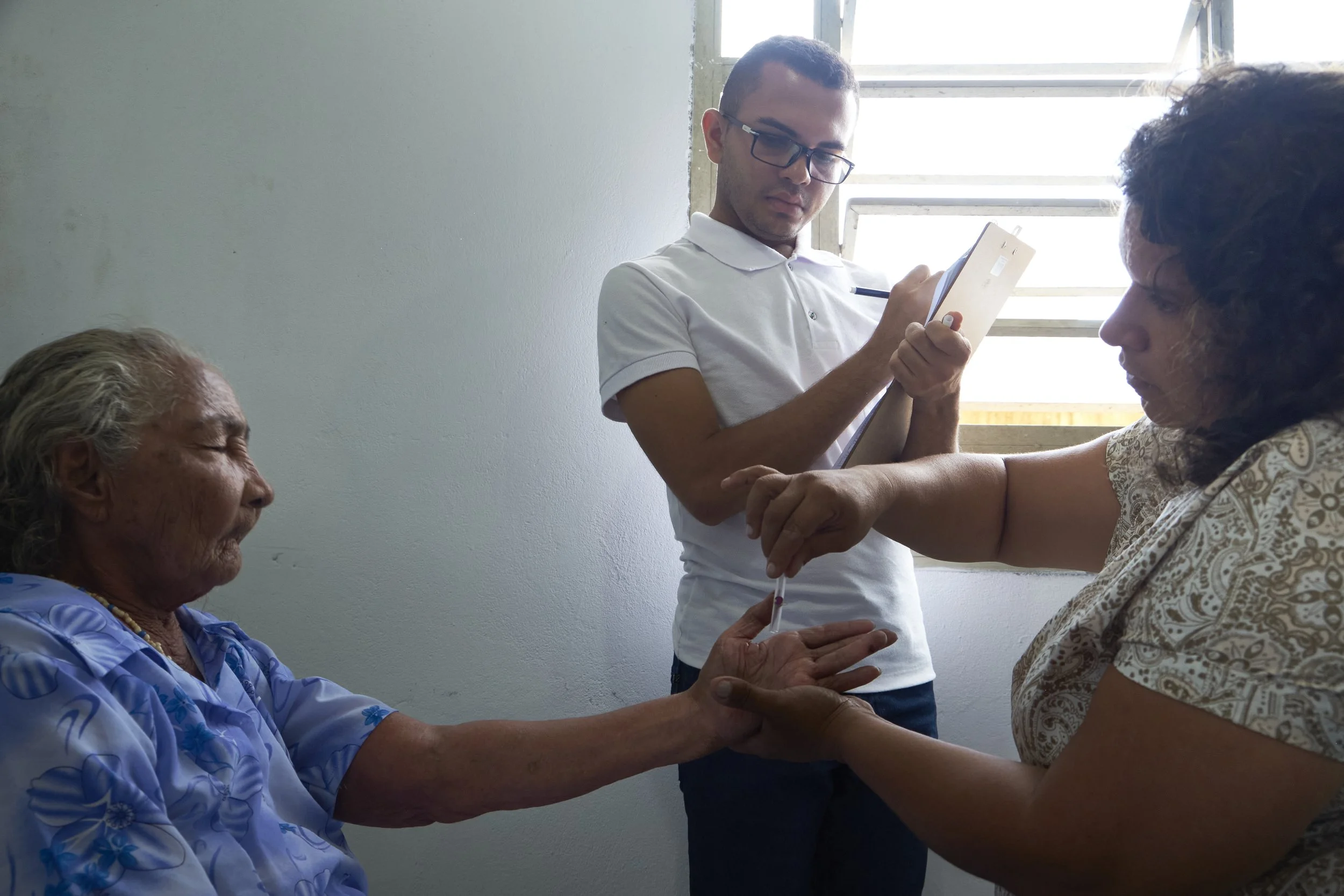
Parnaiba, Piauí, Brazil, 2016. A nurse tests the sensitivity of a patients hands who is recovering from Hansen’s disease. In the State of Piauí, from 2011 to 2015, 6,378 cases were reported, with an average of 1,275.6 annual cases. (Monteiro et al., 2017).
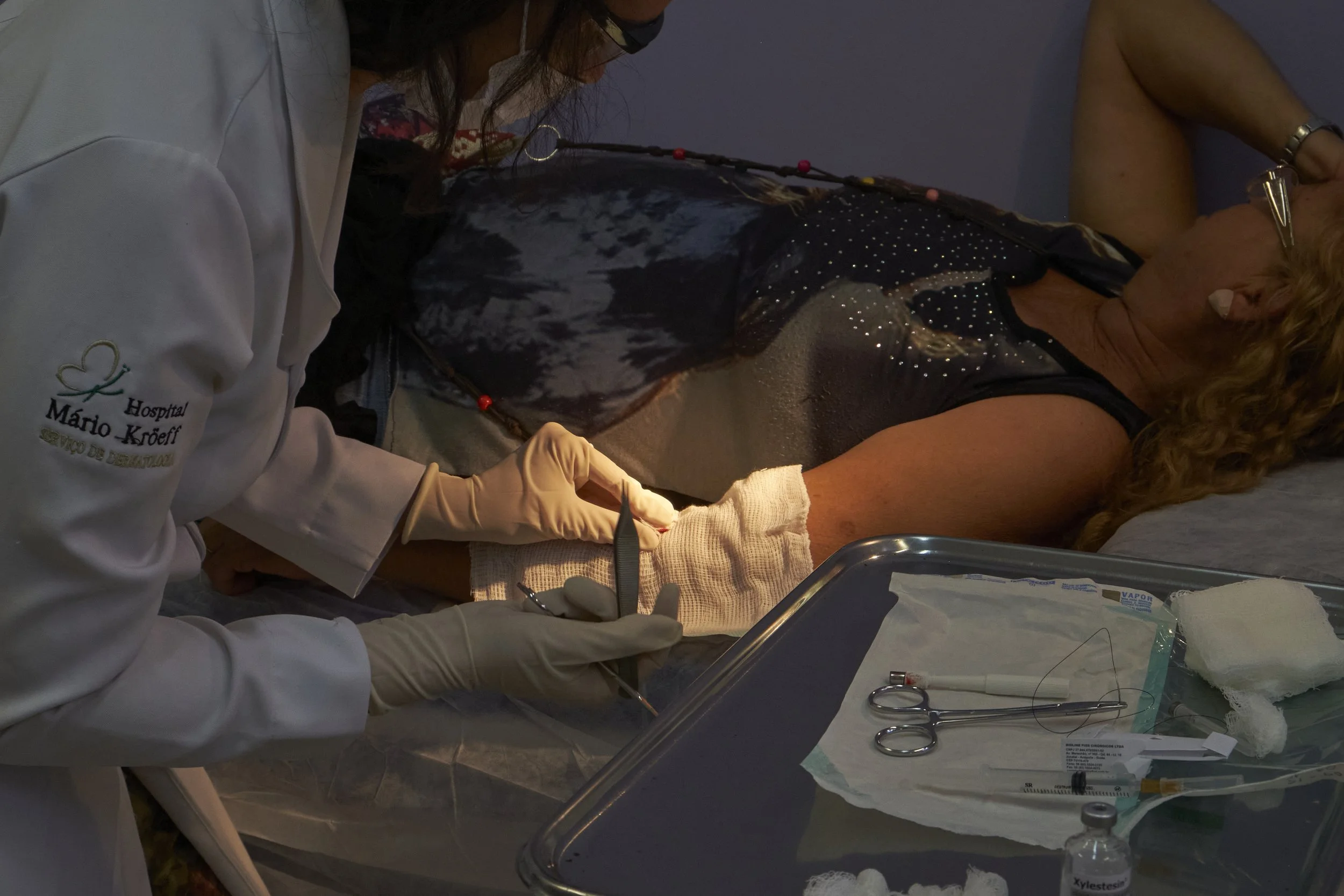
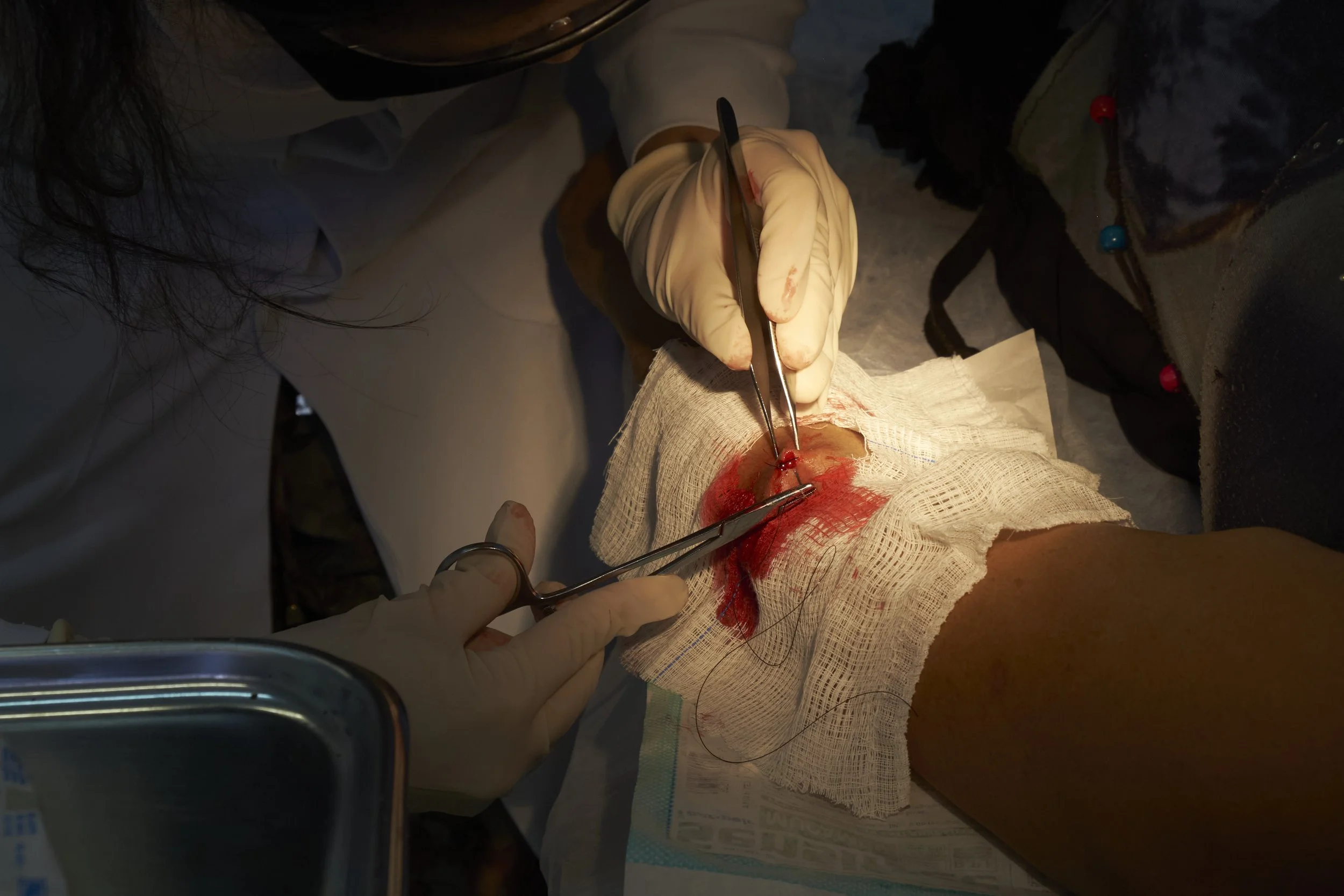
A woman has undergoes a biopsy by way of removing an entire legion. Instituto Oswaldo Cruz, Rio de Janeiro, Brazil, 2016.

A patients condition is reviewed at a clinic in the city centre. Rio de Janeiro, Brazil, 2016.
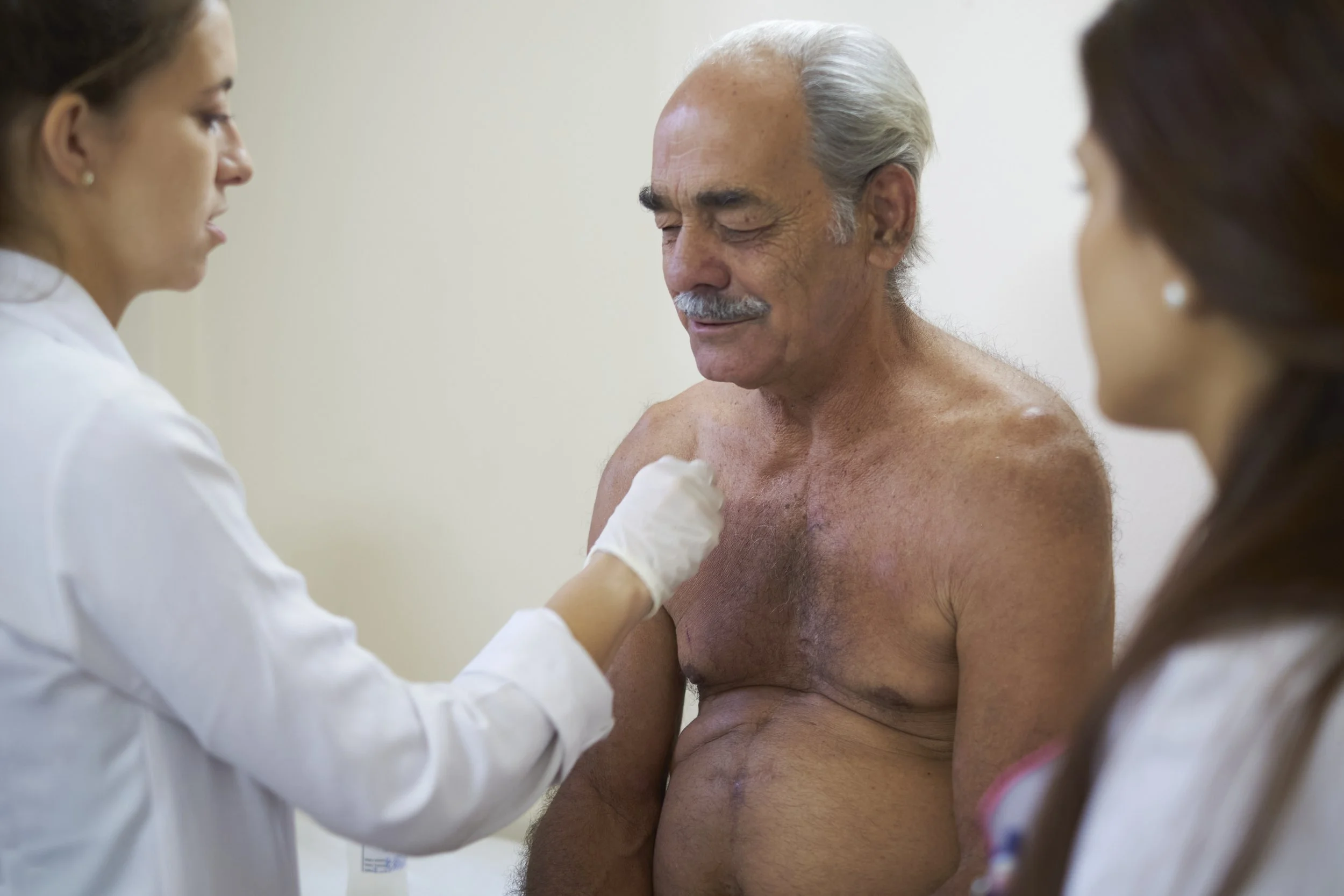
A patient undergoes sensitivity tests and swabs at a clinic in the city centre. Rio de Janeiro, Brazil, 2016.
Leprosy is among the neglected diseases of WHO’s priority attention worldwide, its elimination is a public health priority. Brazil is one of the countries with a high load for the disease, ranking second in the world. (Ministério da Saúde, 2018). From 2012 to 2016, 151,764 new leprosy cases were reported in Brazil . ( Acta Scientiarum. Health Sciences, v. 43, e51445, 2021).
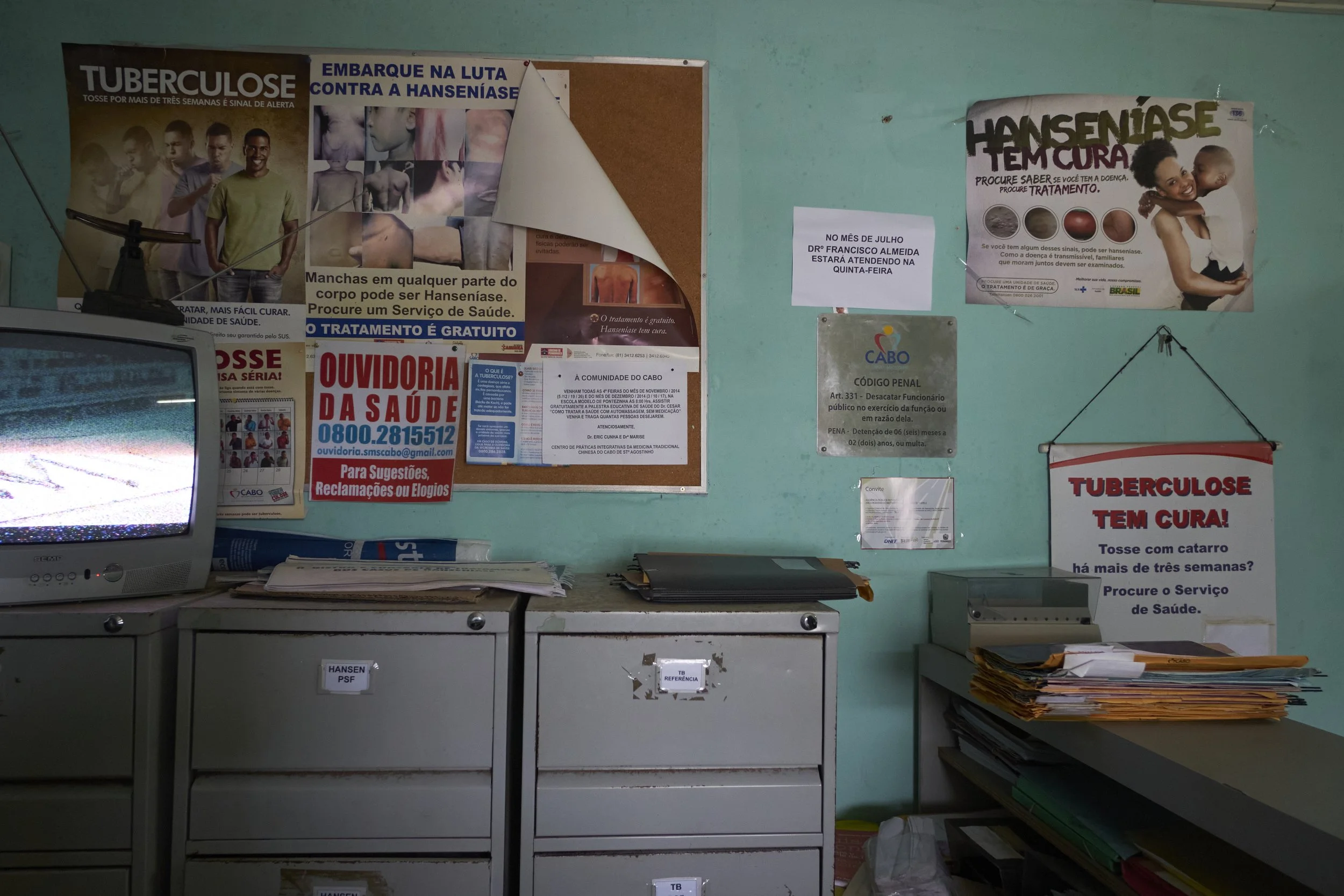
Entrance to a clinic for the treatment of Hansen’s disease and Tuberculosis. Recife, Brazil, 2016.
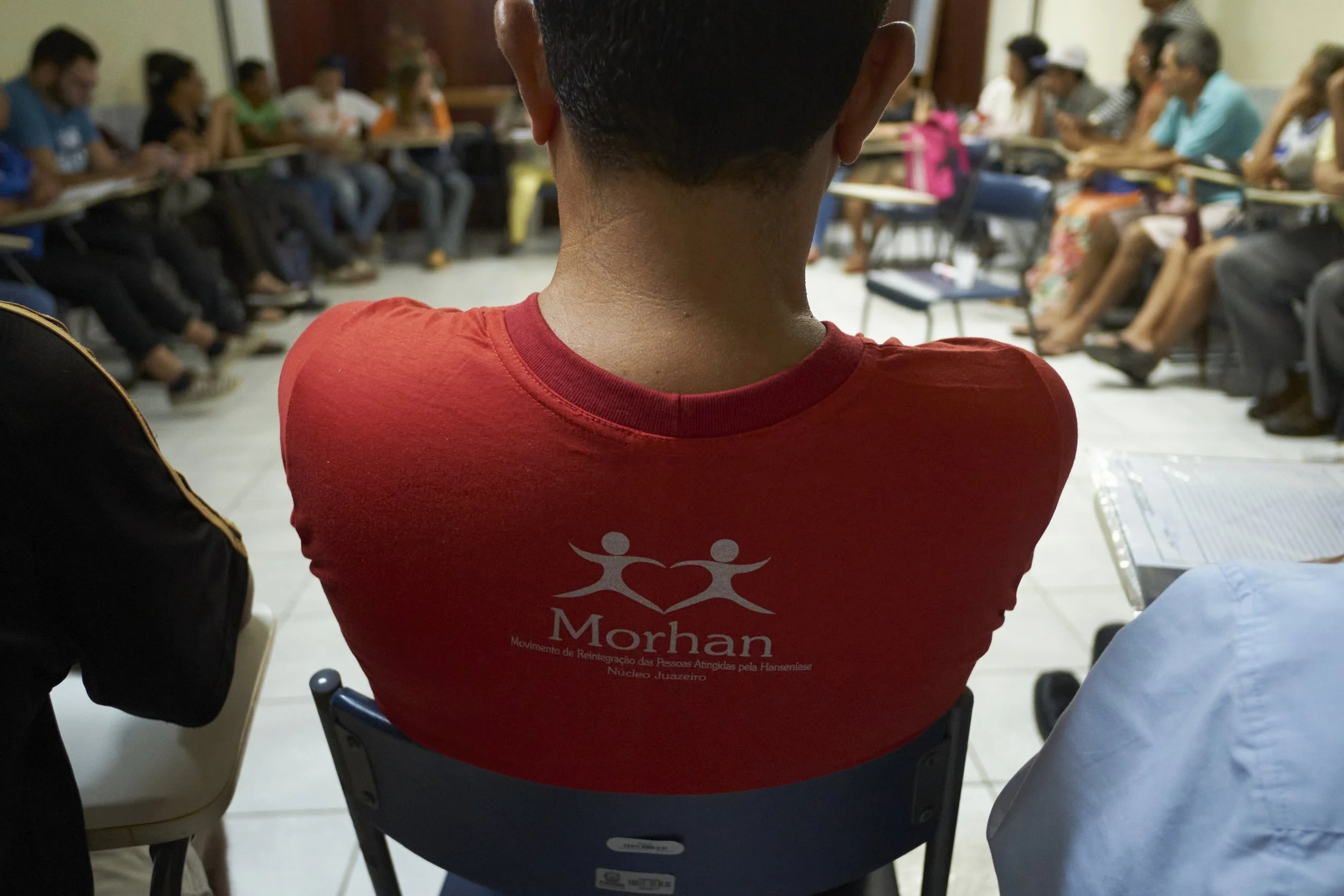
Charity and activitism group MORHAN lead an educational seminar including many health care workers who have themselves suffered from the disease. Recife, Brazil, 2016.
But the story does not end with statistics or policy goals - it lives in the people whose lives were shaped by what came before, and by what may come next.
Today, Brazil still reports among the highest number of leprosy cases in the world, a reminder that medical progress alone cannot erase social memory or dismantle fear. While multi-drug therapy and community health networks have made leprosy curable, persistent challenges, delayed diagnosis, regional inequality, and stigma, mean that the fight to end transmission must be matched by a fight for human dignity.
Organizations like MORHAN (Movement for the Reintegration of People Affected by Hansen’s Disease) show what that looks like in practice, mobilising volunteers, teaching health workers, supporting survivors, and shifting public understanding from fear to empathy. Their work reminds us that the disease can be cured, but its lasting scars, in families, communities, and memory, require something different, connection, justice and recognition.
Walking these corridors, meeting people whose voices were once silenced by isolation, we see that ending leprosy is not just a medical goal, it is a social one. The future lies in early detection, equitable treatment, and the work of healing wounds that no antibiotic alone can touch.